Canadian Hockey Betting Guide: How to Bet on NHL Games Like a Pro
Hockey betting Canada turns every NHL faceoff, power play, and overtime thriller into a high-stakes opportunity where your knowledge of Canadian teams directly fuels your profit potential. By wagering on puck lines, moneylines, and over/unders through Canadian-friendly platforms, you can exploit live odds shifts as the game unfolds, giving you real-time control over every bet. The core edge lies in targeting player props and period betting, where sharp Canadian bettors consistently outmaneuver casual fans with deeper roster insight. Hockey betting Canada rewards aggression—back the home underdog, ride the hot goalie, and watch your bankroll light up with every sudden-death goal.
Why Hockey Betting in Canada Works Differently Than You Think
Most bettors assume Canadian hockey betting mirrors the NHL’s American flow, but it doesn’t. The three-way moneyline is your default trap—in Canada, regulation and payout structures push books toward two-way pricing with a draw option buried, so you’re often paying a higher vig on ties without realizing it. Also, Canadian sportsbooks tilt heavily toward live puck lines because of the country’s time zones; a 7 PM ET game hits at 4 PM in Vancouver, meaning odds shift drastically during the first intermission as west-coast money floods in. You need to bet the “next goal” market instead of full-game spreads—it reacts faster to Canadian-style momentum swings.
Your edge isn’t picking winners—it’s exploiting the split-second lag between eastern and western books during period breaks.
Ignore the total goals line entirely; Canadian pricing makes it stale by the second period.
The Unique Odds Formats You’ll Actually Encounter
Forget the familiar decimal or moneyline displays—Canadian hockey books often default to **American odds with a puck-line twist**, where a -1.5 favourite sits at +180 while the +1.5 underdog carries -220, forcing you to think in goal margins, not just win/loss. You’ll also see “₵ lines” on alternate spreads, like a +275 for a two-goal win, which demand rapid mental conversion. The real trap is the “3-way” regulation odds, where overtime and shootouts vanish from the payout entirely, altering value on tight divisional clashes. No other sport mixes these formats so aggressively.
Q: What is the hardest odds format to read for Canadian hockey?
A: The “regulation-only” moneyline, because a tie after 60 minutes loses your stake even if your team wins in a shootout—a brutal distinction for new bettors.
How Canadian Bookmakers Frame Puck Lines and Totals
Canadian books frame puck lines tighter than US ones, often at -125 on the favourite instead of -135, because local bettors hammer the underdog. They nudge the total a half-goal higher on home ice, knowing Canadian crowds amp up the pace, so you’ll see 6.5 when the public expects 6. That means shopping lines matters more—a single puck line edge in hockey betting Canada can flip value fast. They also shade totals late in the season, dropping to 5.5 when playoff-style checking kicks in, so don’t assume the market agrees with your eye test.
Canadian bookies skew puck lines toward dogs and inflate totals on home ice, so you must compare shops and adapt to late-season shifts.
What You Need to Know Before Placing Your First Wager on NHL Games
Before your first NHL wager through hockey betting Canada, understand that the moneyline isn’t the only path— puck lines and totals shift dramatically with goaltender confirmations, so wait for starting lineups. Bankroll discipline is your real MVP: set a unit size (1–2% of your bankroll) for single games, never chase a parlay, and recognize that Canadian sportsbooks price 3-way regulation bets differently than US books, where overtime losses still count as losses.
Always check if your bet includes overtime—Canadian markets often split “regulation time” vs “including OT/shootout,” and that distinction decides your win.
Finally, track home-ice splits for Canadian teams (e.g., Jets vs. Canucks) because travel and altitude affect scoring more than casual fans expect, and use pre-game props only after you’ve seen the starting goalie confirmed.
Key Bet Types That Matter Most for Canadian Hockey Fans
For Canadian hockey fans, the moneyline bet is your bread and butter—simply pick the outright winner, and with overtime or shootout results counting, it’s perfect for tight divisional clashes. The puck line (+1.5 on the underdog) offers better odds when you expect a one-goal game, a common scenario in Canada’s fierce rivalries. Totals (over/under 6.5 goals) reward you for reading goaltending matchups, not just team hype. Finally, live betting on momentum swings—like a power play right after a penalty kill—lets you capitalize on the fast pace of NHL action. Stick to these four, and you’ll avoid the rookie trap of exotic props.
Reading the Three-Way Market vs. Two-Way in Regulation
In Canadian hockey betting, reading the three-way market versus two-way in regulation determines how you handle overtime and shootouts. A three-way wager includes regulation time only, meaning a draw is a losing ticket unless you pick the tie option, which rarely exists for NHL moneylines. Conversely, a two-way bet, often labeled “regulation draw no bet,” pays out if your side wins in regulation or after extra time. Puck line betting typically follows two-way rules, but the moneyline in Canada is usually three-way. Always check the sportsbook’s fine print, as some Canadian sites convert ties to pushes, while others settle as losses. For parlays, mixing two-way and three-way legs changes your risk: a three-way loss after overtime is brutal, whereas two-way reduces variance. Focus on team’s regulation win rates, not overall win percentage, to gauge value.
Why the Moneyline Isn’t Always Your Best Starting Point
For hockey betting Canada, the moneyline looks simple—pick the winner—but it often hides poor value because NHL odds are heavily skewed by public perception and goaltender narratives. Before your first wager, recognize that puck-line alternatives frequently offer better risk-adjusted returns in tight divisional matchups, where a 2-goal margin is statistically common. Consider this sequence: first, check the expected goals differential rather than the outright favorite; second, evaluate if the underdog’s probability of covering +1.5 is underpriced; third, compare the moneyline’s implied probability against your own model. A favorite at -180 might have only a 55% true win rate, making the puck line or totals a sharper entry point. The moneyline punishes you for picking correctly by a single goal, which is the NHL’s most frequent margin.
How to Build a Betting Strategy Around Canadian Teams and Travel Schedules
To build a winning hockey betting Canada strategy, treat travel as a statistical variable, not an afterthought. When a Western Canadian team like Vancouver or Calgary finishes a homestand and flies east for a 6 PM local start, their first-period metrics often dip—so target the under on the opening frame or bet the rested home side’s moneyline. Conversely, Toronto or Ottawa travelling west benefits from later puck drops; their offensive production tends to spike in the second period, making live over bets on goals 2 and 3 smart. Always check back-to-back games, especially for Winnipeg or Edmonton after a late flight, and fade them on the puck line. Stack your wagers on the third game of a road trip, when fatigue compounds and defensive breakdowns become predictable. Track the “travel advantage” for teams returning from a two-game US swing—they often bounce back hard at home. The real edge lies in spotting when a Canadian team’s schedule gives them an extra rest day, even if the public ignores it. Build your bankroll around these situational spots.
Using Road Game Fatigue to Your Advantage
When Canadian teams complete grueling Western road swings, their next game often features sluggish starts and defensive lapses, especially if they crossed time zones twice in 48 hours. Target the opposing team’s back-to-back road fatigue spot, particularly when the Canadian squad is the second game of a home-and-home after traveling overnight. Bet against them in the first period, or take the under on total goals through 40 minutes, as tired legs lead to turnovers and fewer high-danger chances. However, a team heading home to a raucous Canadian barn after a long trip can sometimes feed off that energy, so check if they’re returning to a divisional rival before fading them. Monitor travel distance, game start time, and whether they flew immediately post-game, as these factors compound fatigue.
Exploit Canadian teams’ post-road-trip sluggishness by betting first-period unders or fading them early, but verify homecoming motivation before pulling the trigger.
When the Over/Under Shifts Drastically for Back-to-Back Games
When a Canadian team plays back-to-back nights, the total often drops by half a goal or more, but the sharper edge lies in spotting drastic shifts—typically a 1.5-point swing from the opener. If the first game went to overtime or featured heavy physical play, the backup goalie’s save percentage may be 10% lower, pushing the under. Conversely, if both teams rested key defensemen, the over jumps. Trust the market’s late move: a drastic drop to 5.5 from 7.0 signals fatigue, not randomness. For hockey betting Canada, fade the public’s automatic over and hammer the under when travel forces a second-string netminder.
Practical Features to Look For in a Hockey Betting Platform
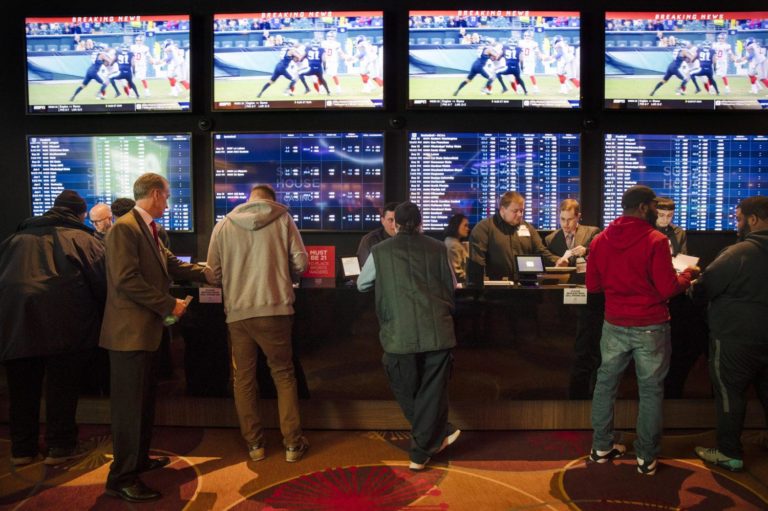
For hockey betting canada, prioritize platforms offering live puck tracking with real-time shot and faceoff stats, as Canadian markets heavily favor in-game wagering. Look for specialized prop builders for NHL player shots and saves, not just moneyline options. A strong platform should allow quick toggling between Canadian teams’ odds in both decimal and American formats, plus same-game parlays tailored to periods rather than full games. Ensure cash-out options update within seconds during power plays or goalie pulls, as momentum shifts fast. Reliable mobile performance is critical for betting between periods at Canadian sports bars or arenas. Finally, test the speed of bet settlement on Canadian-friendly payment methods like Interac, since delayed payouts disrupt bankroll management. Avoid platforms that bury overtime or shootout rules under vague terms.
Live Betting Options That React Faster to Momentum Swings
For Canadian hockey bettors, the sharpest platforms update live odds within seconds of a power-play goal or a sudden odd-man rush, letting you lock in a price before the market fully adjusts. Look for a real-time momentum tracker that visually shifts probabilities after every shot on net, not just goals, so you can spot a flurry building. Speed matters most during penalty kills, where a two-goal swing can happen in under a minute; the best sites offer one-tap cash-outs and instant bet slips that don’t reload the page. Avoid platforms with delayed feeds—those extra seconds kill your edge.
Fast-updating live odds, momentum-aware visuals, and instant cash-outs are the core of reacting to hockey’s quick swings.
Cash-Out Tools and How to Use Them Mid-Game
Cash-out tools are your mid-game lifeline in hockey betting, letting you secure profit or cut losses before the final buzzer. When your team leads 2-1 after two periods, but the opponent is surging, a partial cash-out protects your stake while keeping skin in the game. The dynamic odds shift rapidly during power plays—use the tool right after a goal is disallowed, when bookmakers adjust, to lock in better value. Monitor the live win probability meter, then trigger cash-out during a TV timeout if momentum sways. Strategic mid-game cash-outs in hockey betting turn passive wagers into active risk management.
Q: When should I cash out mid-game in hockey?
A: Cash out right after your team scores but before the next faceoff—odds dip briefly, and you can lock profit while avoiding a late comeback risk.
Same-Game Parlays: How to Combine Player Props Without Losing Value
When building a Same-Game Parlay for hockey betting in Canada, the real value lies in stacking correlated player props—think a sniper to score and his line to win the faceoff battle—instead of blindly adding random shots. DraftKings and Bet365 let you merge a skater’s shots-on-goal with his power-play points, but only if you check the “boosted odds” flag; uncorrelated legs like a goalie save total plus a defenseman block count drag your multiplier down. Stick to two or three props from the same matchup, like a winger’s points and that team’s power-play goals, to keep the juice fair. Avoid props tied to overtime outcomes, as they spike variance without adding true edge.
Common Mistakes Bettors Make on Canadian Hockey and How to Fix Them

Overloading on the Habs or Leafs out of fandom is the fastest way to drain a bankroll in hockey betting Canada; instead, cap your emotional stake at 10% of any wager. Another critical error is ignoring the grueling travel schedule unique to western Canadian teams—betting on a tired Calgary squad after a three-game road swing is a trap. Fix this by checking the number of games in the last seven days before placing a puck-line bet. Most bettors also chase goalie stats without adjusting for backup performances, so always verify the confirmed starter before locking a total. A sharp bettor wins by exploiting public bias toward Canadian prime-time games, not by joining it. Finally, never blindly bet the over because a team scores high; analyze shot suppression and defensive pairings, not just offensive flash. Stick to mismatch spots where system analytics, not reputation, give you the GambleOnline.ca clear edge.
Overvaluing Goaltender Stats in Single-Game Situations
In Canadian hockey betting, fixating on a goaltender’s season save percentage or goals-against average for a single-game wager is a trap, because those stats reflect long-term trends, not tonight’s matchup. A netminder might carry elite numbers yet face a backup defenseman pairing, a back-to-back schedule, or a power-play unit that exploits his specific weakness, such as low blocker-side control. Conversely, a goalie with poor season stats can thrive against a heavy-shot team that lacks traffic in front of the crease. To correct this, bettors should isolate recent starts, shot quality, and expected goals against, rather than trusting aggregate totals. The key is recognizing that single-game goaltender variance demands situational analysis, not season-long averages, making starting lineup confirmations and fatigue factors more valuable than raw stat lines.
Ignoring the Impact of Overtime and Shootout Rules on Your Bet
In Canadian hockey betting, a costly blind spot is ignoring how the 3-on-3 overtime and shootout dramatically alter your wager’s fate. Unlike regular play, these formats are chaotic, high-event, and famously volatile—meaning a puck-luck goal in the final seconds can sink your puck line or moneyline bet. You might correctly predict the winner, but if the game ends in a shootout, many bookmakers still count that as a win for the side, yet your spread or total may lose. To fix this, check each sportsbook’s specific overtime rules before placing a wager. The impact of overtime and shootout rules is huge on totals, especially, since shootouts freeze the score. Always distinguish between regulation-time bets and “3-way” markets to avoid watching a victory turn into a loss in sudden death.
How to Manage Your Bankroll for a Full NHL Season
Managing your bankroll for a full NHL season in hockey betting Canada demands a disciplined, season-long strategy, not a sprint. Allocate a fixed amount you can afford to lose before October, then divide it by 82 games per team to set a strict weekly betting cap. Unit sizing is your bedrock: wager 1–2% of your bankroll per bet, protecting you from cold streaks that hit every Canadian bettor. Focus on specialized markets like puck lines or goal totals, where you can exploit inefficiencies in Canadian sportsbooks. Always track every wager in a spreadsheet, separating wins and losses by team to spot profitable angles. Rebalance your unit size monthly based on your current bankroll—if you drop 10%, reduce stakes immediately, never chase losses. This systematic approach keeps you in the game all 82 games, turning variance into your ally. Without this structure, even sharp handicappers go broke by March.

Setting Unit Sizes for Early-Season vs. Playoff Hockey
Early-season NHL hockey is chaos—new line combos, rust, and unpredictable goaltending—so keep your unit sizes at 1% of your bankroll to absorb the variance. As playoffs approach, tighten your reads: teams play more structured games, and you can confidently raise units to 2–2.5% on spot bets like goalie mismatches or travel edges. Scaling units toward the playoffs protects your balance during October’s noise and capitalizes on sharper, data-driven spots in April. Don’t force big bets in November just because you’re up; save your powder. Playoff bankroll management rewards patience, not early aggression.
Q: Should my unit size jump immediately in round one?
A: No—ramp up gradually. Start round one at 1.5%, then adjust to 2% only if your win rate above 55% holds through the first ten games. The playoffs’ tighter margins punish overconfidence fast.
The Best Way to Track Your Wagers Without Spreadsheets
For Canadian hockey bettors, the most reliable spreadsheet alternative is a dedicated betting app with automated bankroll tracking. Platforms like Bet Tracker or Action Network sync your NHL wagers directly, calculating your running balance, win rate, and unit profit in real time—no manual data entry. This eliminates fat-finger errors that skew long-season results. Choose an app that supports fractional odds and lets you tag bets by team or puck line. Automated bet logging is the fastest way to maintain accuracy across an 82-game grind without touching Excel.
- Set a hard unit size (e.g., 1% of bankroll) and let the app recalculate it weekly.
- Use the app’s “cash-out” or “live bet” tabs to log in-play wagers immediately.
- Review a monthly summary chart to spot losing streaks early and adjust stake caps.
Answers to the Most Frequent Questions About Hockey Wagers Up North
When digging into hockey betting Canada, the most frequent questions usually circle back to odds formats and the 3on3 overtime rule. Many newbies ask why the moneyline looks different on Canadian sportsbooks—it’s because they use decimal odds, so a -150 line becomes 1.67. Another common query: “Does a shootout win count for puck line bets?” No, the puck line is settled after 60 minutes plus OT, so a shootout loser still covers a +1.5 spread. For answers to the most frequent questions about hockey wagers up north, remember that Canadian books list “regulation time” clearly on player props like shots on goal or points. Also, if you’re betting on a Canadian team, check if the game is at home—travel and altitude rarely matter, but the extra rest between back-to-backs does. Stick to these basics and you’ll avoid the classic pitfalls.
Can You Bet on Junior Hockey or Only the NHL?
In Canada, you are not limited to NHL wagers; junior hockey betting options are widely available across regulated sportsbooks, though depth varies by league. The CHL’s three member leagues—WHL, OHL, and QMJHL—offer full moneyline, puck line, and over/under markets, especially during regular-season and playoff windows. However, smaller circuits like the BCHL or MJHL may only feature live or straight bets, with limited props. To bet on junior hockey, you must be in a province where the operator holds a license, and most books require you to toggle your sport filter to “Junior” rather than “NHL” to see those lines. Check game-day odds early, because junior totals and spreads often post later than NHL boards.
- Junior hockey offers full betting lines for CHL games, but lower-tier leagues may have restricted markets.
- You can parlay junior games, but oddsmakers often adjust limits due to lower liquidity.
- In-game betting on junior hockey is common but features wider spreads than NHL live odds.
- Always confirm your sportsbook includes your specific junior league before placing a bet.
What Happens to Your Bet If a Game Goes to a Shootout?
When a regular-season NHL game in Canada reaches a shootout, your bet’s outcome hinges entirely on the sportsbook’s defined market. For the moneyline, the shootout winner is the official game winner, so your wager on that team cashes immediately. However, if you bet the puck line (spread), the shootout counts as a single goal, meaning a one-goal margin from the shootout still covers the +1.5 or -1.5 line—but only if the final regulation/OT score fits. Totals (over/under) are graded on the final score after the shootout, so shootout goals do count toward the total. Crucially, prop bets on the 60-minute result are settled after regulation only, ignoring overtime and shootout entirely. Always check if your bet is listed as “regulation only” to avoid surprises.
- Moneyline bets pay out to the shootout winner as the official victor.
- Puck line wagers use the final score including the shootout’s single deciding goal.
- Totals include shootout goals in the final combined score for grading.
- Three-way or “regulation” bets exclude OT and shootout results completely.
Are Prop Bets on SOG and Blocked Shots Worth Trying?
Prop bets on shots on goal (SOG) and blocked shots can be worth trying if you dig beyond star names. Skaters who log heavy power-play time or crash the net are consistent SOG producers, but their lines fluctuate wildly with matchup and pace. Blocked shots are more predictable—target defensemen on penalty-kill units facing high-volume shooting teams; they’ll eat pucks nightly. The catch? Sportsbooks juice these props heavily, so value shrinks. Track a player’s last ten games, not season averages, and check if the opposing team funnels shots from the point. Hockey betting Canada sharp bettors find edges in live SOG props when a trailing team abandons structure. Are Prop Bets on SOG and Blocked Shots Worth Trying? Yes, but only for disciplined bankrolls that accept low-payout variance in exchange for high hit rates.